
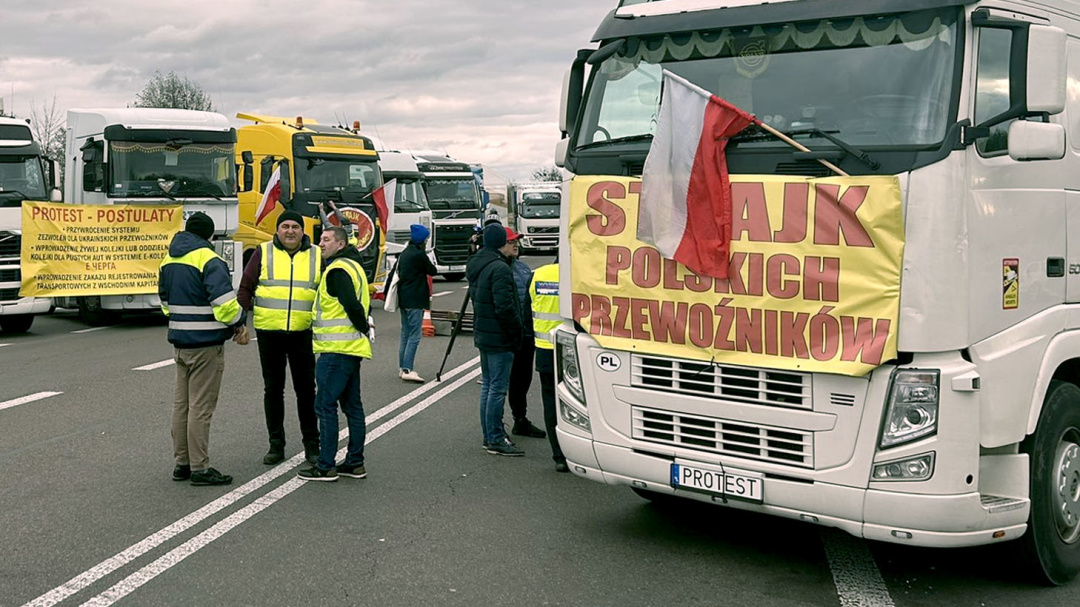
On November 6, 2023, Polish haulers blocked three checkpoints to protest competition from Ukrainian companies following the launch of the "transport visa-free regime." According to the Polish Ministry of Infrastructure, the share of Polish haulers in transport between Poland and Ukraine dropped from around 38% in 2021 to about 8% by the end of October 2023. Thousands of trucks lined up on both sides of the border, with wait times at some checkpoints stretching into days. The European Commission stated at the time that reinstating permits was legally incompatible with the agreement. The blockade was suspended in early 2024 following an agreement with the Polish government.
Both sides had their arguments, but it is more useful to draw practical lessons:
— Suspension clause: the agreement includes a provision to temporarily suspend its application in a specific region in the event of severe market disruptions.
— Stricter requirements: documentation requirements have tightened, including those for empty runs.
— Operational risk: relying on a single checkpoint or route is a major operational risk, not a minor detail.
What we include in our planning: alternative checkpoints (Slovakia, Hungary, Romania, Moldova), demurrage and force majeure clauses in contracts, and a pre-arranged communication protocol with clients.
GRANDAR was founded in 2025, well after these events, so routing flexibility is not just an option for us—it is a baseline requirement. For routes connecting Ukraine–EU, Central Asia, and the Caucasus, we map out backup checkpoints in advance and align with clients on action plans in case of delays.
What backup routes are specified in your contracts?