
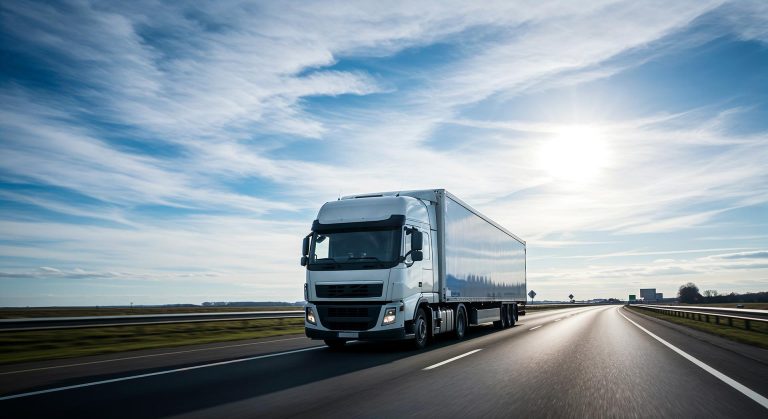
The Middle Corridor is not just about trains and ferries. When people talk about the China–Central Asia–Caucasus–Europe corridor, container trains usually come to mind first. However, the road freight component is growing as well.
China and Kazakhstan have set a goal to increase road transport along the corridor to 10 million tons by 2027, which is double the 2024 volume. For the sake of speed, Chinese companies are increasingly shipping high-value cargo—such as electronics and electric vehicles—directly to Europe by road, bypassing sea lines. The Asian Development Bank is preparing aid to modernize the region's border crossings, while in Georgia, road freight volumes noticeably exceed the demand for the corridor's rail services.
Long-term World Bank forecast (September 28, 2026): if investments are implemented, cargo volumes across the Caspian Sea could grow from 8.8 million tons in 2023 to 32.1 million tons by 2040.
What this means for a freight forwarder operating on these routes:
• demand for flexible trucking solutions will grow, especially on the "last mile" of the corridor;
• permits, border procedures, and reliable partners in transit countries are critical;
• those who can offer multimodal routes rather than just a single mode of transport will win.
Central Asia and the Caucasus are key operating routes for GRANDAR’s road freight department. We will coordinate your route taking permits and border procedures into account, and source backloads. If you have cargo moving from Europe toward this region, message us—let’s explore options together.
What obstacles do you face on road freight trips along Central Asian and Caucasus routes?