
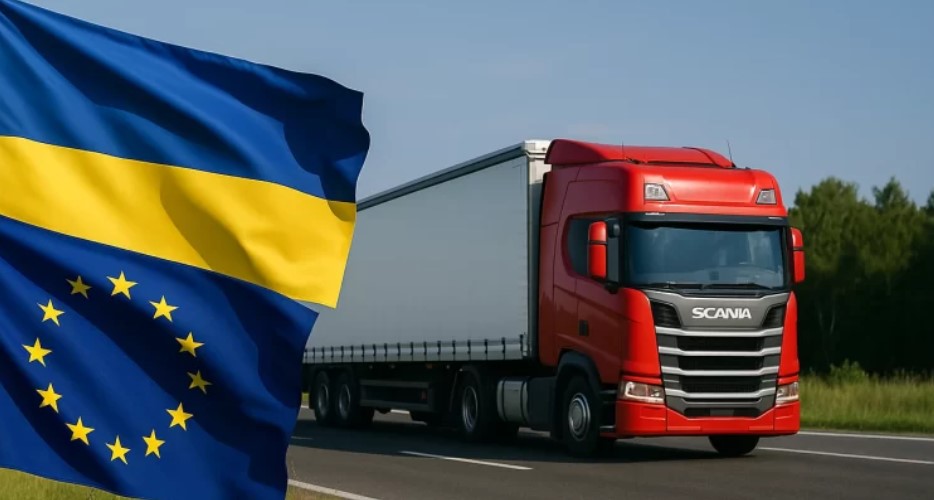
Since October 12, 2025, the EU has been gradually introducing the automated Entry/Exit System (EES), and as of April 10, 2026, it is fully operational across all checkpoints. Every entry and exit of a third-country national is now recorded with biometrics, and the "90 days out of 180" rule is tracked automatically—something that often went unnoticed at the border in the past.
During peak summer days, queues reached up to five hours, prompting Western Balkan carriers, organized into associations representing around 1,800 companies, to block checkpoints. Their main demand is to legally separate a professional driver's "work" from their "stay" in the EU. For logicians, this means the human factor has become an inherent part of the schedule.
What helps:
- checking the driver's documents and system data 24 hours prior to departure;
- keeping track of drivers' days of stay in the Schengen area and planning rotations in advance;
- maintaining digital copies of documents and border crossing records;
- factoring extra buffer time into the schedule for checks, especially with tight loading windows.
How exactly these rules apply to your drivers should be clarified on a case-by-case basis, depending on their citizenship and entry conditions.
At GRANDAR, when planning routes to the EU, we verify the drivers' documents with the carrier in advance and budget extra time for the border. The client is informed of the realistic delivery window before loading, rather than on the day of departure.
What challenges have your drivers faced at the EU border since the launch of the EES?