
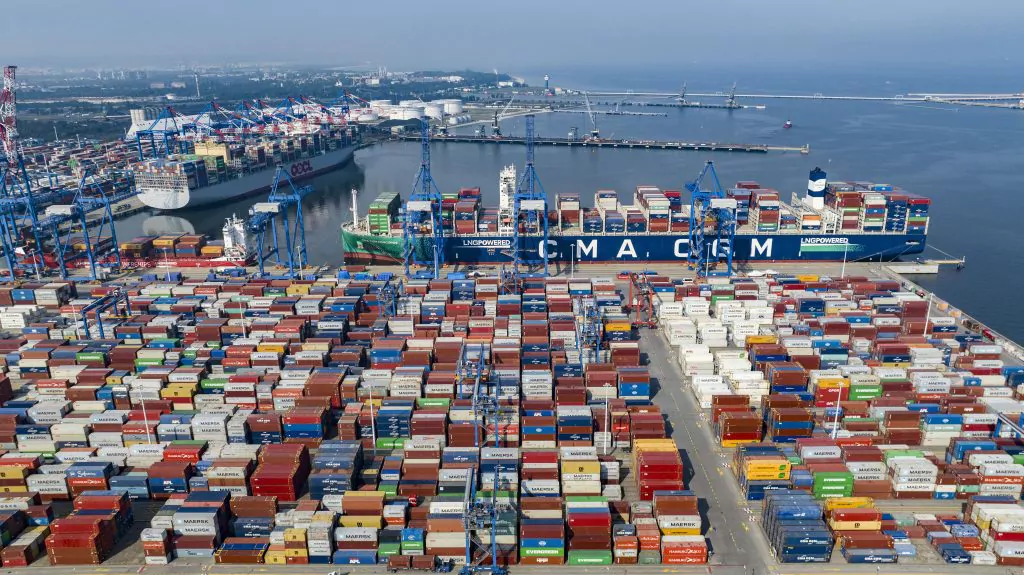
The GRANDAR company informs clients about the risks of extended container delivery times along the Gdansk – Ukraine route. We are currently recording delays both during the removal of cargo from the Polish port and during the movement of container block trains across the territory of Ukraine, particularly in the directions of Kyiv, Odesa, Dnipro, and other hub cities.
What is happening in Poland
The Port of Gdansk remains one of the key maritime hubs for imports to Ukraine. Against the backdrop of growing cargo flow and the limited throughput capacity of rail dispatch, containers are accumulating in the port. The formation of block trains takes more time, and currently, the average waiting time for rail dispatch ranges from 10 to 18 days. This increases not only delivery times but also the risk of additional costs for storage and demurrage.
What is happening in Ukraine
Russian strikes on railway infrastructure, particularly on locomotives, are reducing the available traction fleet of Ukrzaliznytsia. As a result, trains with flatcars wait longer for locomotives at border and sorting stations, and the overall transit time through the Ukrainian network increases. Such delays are difficult to predict in advance, as the situation can change daily.
What we recommend
Plan deliveries with a time buffer and consider the possible increase in transit times when agreeing on deadlines with your buyers and production. Clarify the free time conditions with the shipping line in Gdansk in advance to understand from which moment additional charges will apply. For urgent and critical cargoes, it is worth considering alternative options: truck delivery from the port or delivery through other ports in the region. Also, submit cargo documents in a timely manner: this helps avoid additional downtime during the clearance stage.